Spring Thaw Drainage Problems: How to Stop Pooling Near Homes Fast Fixes
March in Mississauga and the surrounding GTA (Oakville, Burlington, Milton, and Brampton) often brings the same headache: snowmelt and early spring rain that turn small low spots into puddles and, in worse cases, push water toward foundations. If you’re seeing pooling near your home right now, it’s not just a nuisance—it can lead to basement moisture, soil erosion, and stressed turf before your lawn even wakes up.
At Breakaway Landscaping, we regularly help homeowners with practical drainage solutions that protect landscaping investments and improve day-to-day usability of the yard. Below are fast, safe steps you can take during the spring thaw, plus longer-term fixes that make pooling far less likely next year.
Why Spring Thaw Causes Pooling Near Homes In The GTA
Spring thaw drainage problems happen when frozen ground can’t absorb meltwater fast enough. Add compacted soil, heavy clay (common across many Mississauga neighbourhoods), or improper grading, and water naturally collects in the lowest areas—often near the foundation, beside walkways, or at the bottom of a slope.
Common local culprits include:
- Downspouts dumping water too close to the house
- Winter frost heave shifting pavers or creating low spots
- Blocked catch basins and frozen or debris-filled drains
- Hardscape that slopes toward the home instead of away from it
Fast Fixes You Can Do This Week (Without Major Construction)
If you need quick pooling water solutions, start with the basics. These steps can reduce standing water immediately and prevent it from soaking into problem areas.
Extend Downspouts Away From The Foundation
Make sure downspouts discharge at least 6 to 10 feet away from your home. Temporary extensions are inexpensive and often solve “mystery puddles” near basement walls.
Clear Ice, Leaves, And Winter Debris From Drainage Paths
Check for blocked channels along walkways, patio edges, and side yards. Even small leaf piles can act like a dam during a melt.
Patch Low Spots With Soil (Not Mulch)
Mulch floats and washes away. Use clean topsoil to bring up depressions, then tamp lightly. If the area is still soggy, wait a few days so you’re not sealing water into a mud bowl.
Redirect Surface Flow With A Shallow Swale
A swale is a gentle, shallow dip that guides water away. In many Oakville and Burlington backyards, a subtle swale along a fence line can move runoff toward a safe drainage area without changing the look of the landscape.
People Also Ask: How Do I Stop Water From Pooling Next To My House?
The fastest way to stop water pooling next to a house is to manage roof runoff and correct the grade. Start by extending downspouts, then ensure the soil slopes away from the foundation (ideally about 6 inches over the first 10 feet). If pooling persists, a more permanent drainage solution like a French drain, dry well, or regrading is often required—especially in clay-heavy areas where absorption is slow.
Longer-Term Drainage Solutions That Actually Last
Quick fixes help, but recurring spring puddles usually mean the yard needs a more intentional drainage plan. Breakaway Landscaping can design solutions that fit your property and blend with your outdoor design goals.
Options we commonly recommend in Mississauga-area homes include:
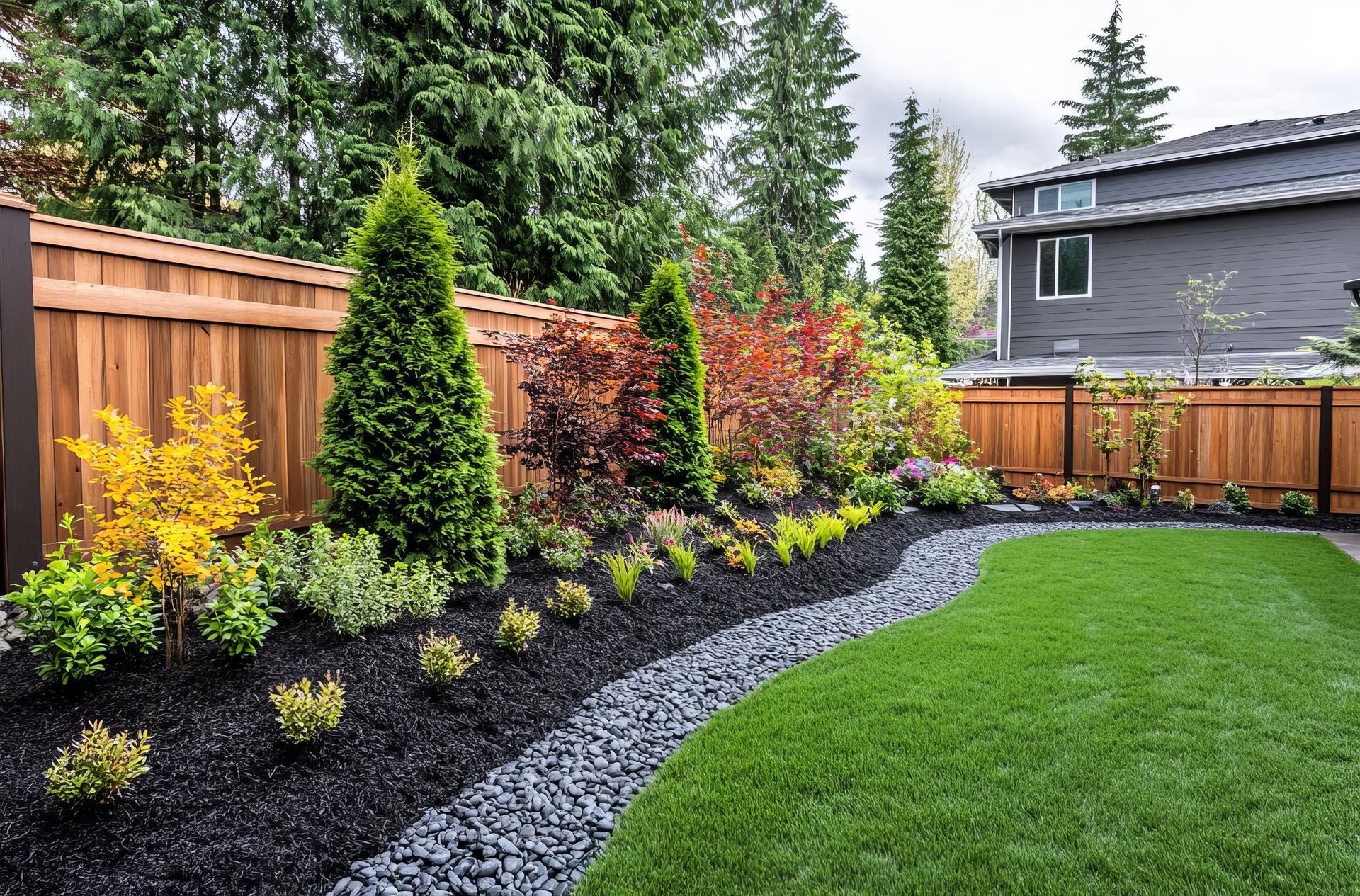
- Regrading and resloping turf to direct water away from structures
- French drains to collect and move subsurface water safely
- Dry wells to store and disperse downspout runoff underground
- Catch basins tied into proper discharge points (where permitted and appropriate)
- Hardscape repair or paver re-leveling to eliminate pooling on patios and walkways
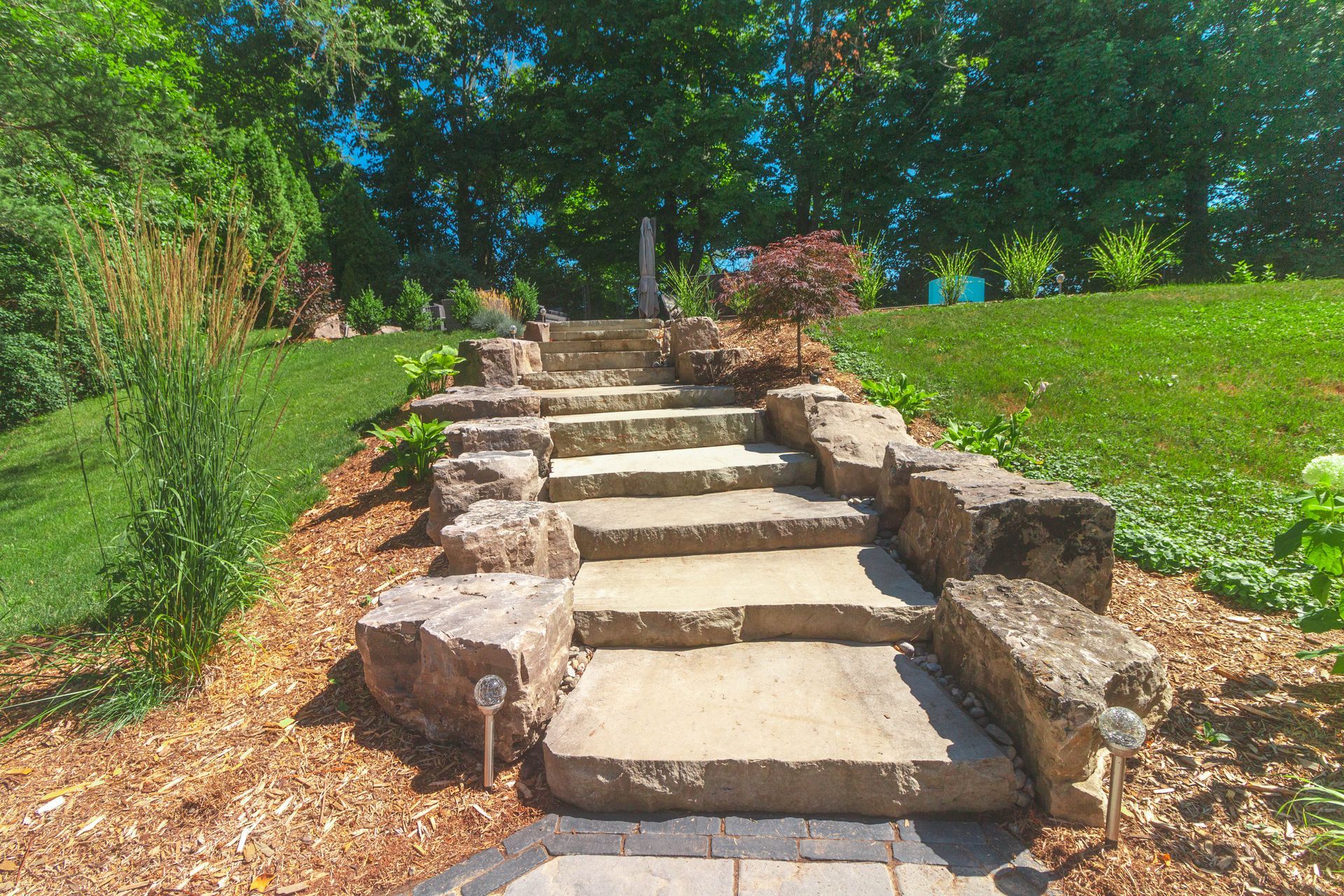
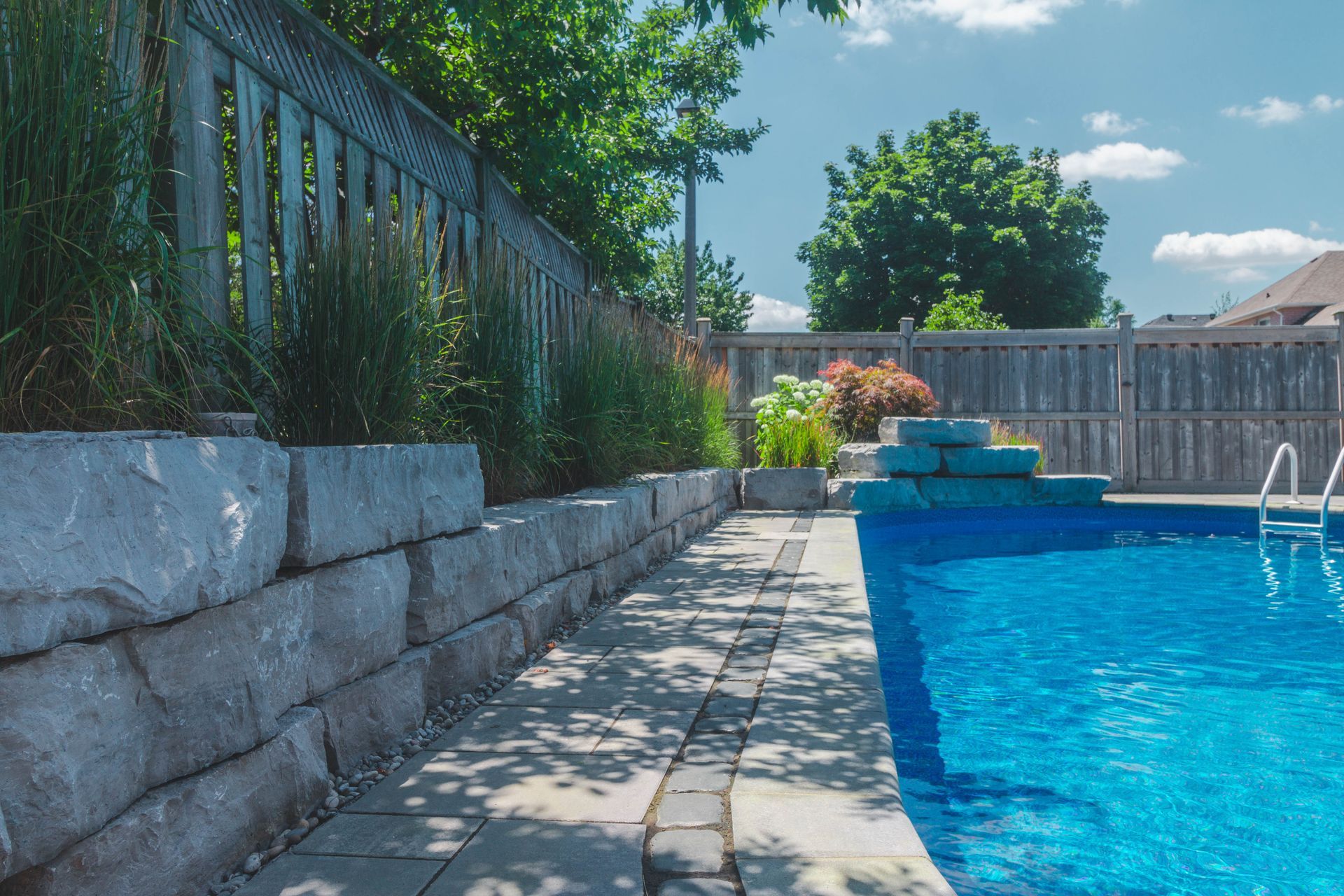
- Retaining wall design for sloped properties to control erosion and improve drainage patterns
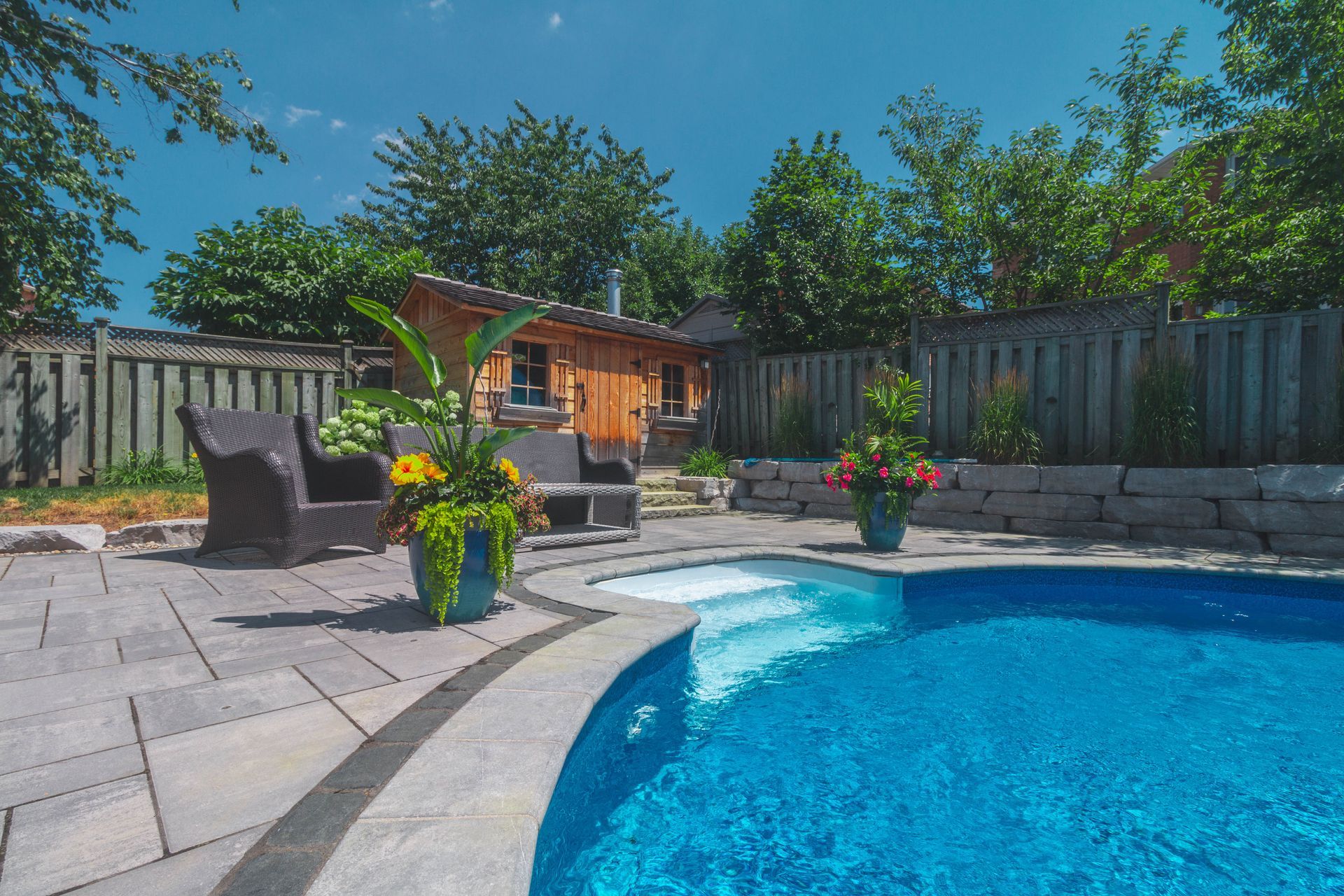
For homeowners planning upgrades this spring, pairing drainage improvements with hardscape design and installation can prevent water issues from returning after a new patio or walkway is built. We also use 3D landscape design so you can visualize how grading, drains, and hardscape details work together before construction begins.
March Timing Tip: Fix Drainage Before Spring Planting And Long Weekends
If you’re planning garden beds, new planting, or a backyard refresh for Easter gatherings or the May long weekend, March is the ideal time to address drainage. Wet soil and pooling can drown new roots, compact turf, and wash out fresh mulch—turning a spring project into an expensive redo.
Book A Drainage And Landscape Assessment With Breakaway Landscaping
If spring thaw drainage problems are causing pooling near your home in Mississauga, Oakville, Burlington, Milton, or Brampton, our team can help you move from temporary fixes to a durable, property-specific solution. Breakaway Landscaping offers landscape design services, hardscape installation, retaining walls, planting, and maintenance—built around long-term performance and clean, finished results.
Contact Breakaway Landscaping today to schedule a consultation and get a tailored drainage plan that protects your foundation, restores your lawn, and keeps your outdoor space usable all season.
Share This Blog