Paver Installation 101: Base Prep, Patterns, and Long-Term Durability
April is one of the busiest months for outdoor upgrades in Mississauga, Oakville, Burlington, Milton, and Brampton. As snow piles disappear and spring rain cycles begin, homeowners start thinking about patios, walkways, and front entries that look great and hold up for years. If you’re planning paver installation this season, the difference between a surface that stays crisp versus one that settles, shifts, or puddles often comes down to the details you don’t see: the base, drainage, and edge restraint.
At Breakaway Landscaping, our hardscape design and installation process is built around long-term performance, not just a nice “reveal day.” Here’s what to know before you choose materials or lock in a pattern.
Why Base Prep Is The Real Foundation Of Durability
In the GTA, freeze-thaw cycles are the biggest reason patios and walkways fail. Water seeps into poorly prepared base layers, expands as it freezes, and slowly pushes pavers out of alignment. Proper base construction is how professional patio installation and walkway design withstand Ontario winters.
A reliable base is more than “some gravel.” It’s a compacted, layered system engineered for your soil conditions, slope, and intended use (foot traffic, BBQs, furniture, or vehicles).
Key base-prep elements that improve long-term results:
- Excavation depth appropriate for the project and local soil conditions
- Compacted granular base installed in lifts to prevent future settling
- Correct grading to move water away from the home and across the surface
- Bedding layer that supports pavers evenly without creating soft spots
- Edge restraints to keep the field locked in through freeze-thaw movement
In April, base prep matters even more because the ground is still transitioning from winter. If the subgrade is soft or saturated, shortcuts can lead to uneven settling by mid-summer.
PAA: What Should You Put Under Pavers?
A common People Also Ask question is: “What should you put under pavers?” In most residential paver installation projects in Mississauga and nearby areas, the best-performing build typically includes a compacted granular base (often clear stone or a well-graded aggregate), topped with a bedding layer that allows precise leveling. The goal is strength, drainage, and a stable platform that won’t shift as temperatures swing.
The exact base materials and thickness vary based on site conditions, drainage needs, and whether the area is a patio, walkway, or driveway. This is where professional hardscape design can prevent expensive rework later.
Pattern Choices That Balance Style And Strength
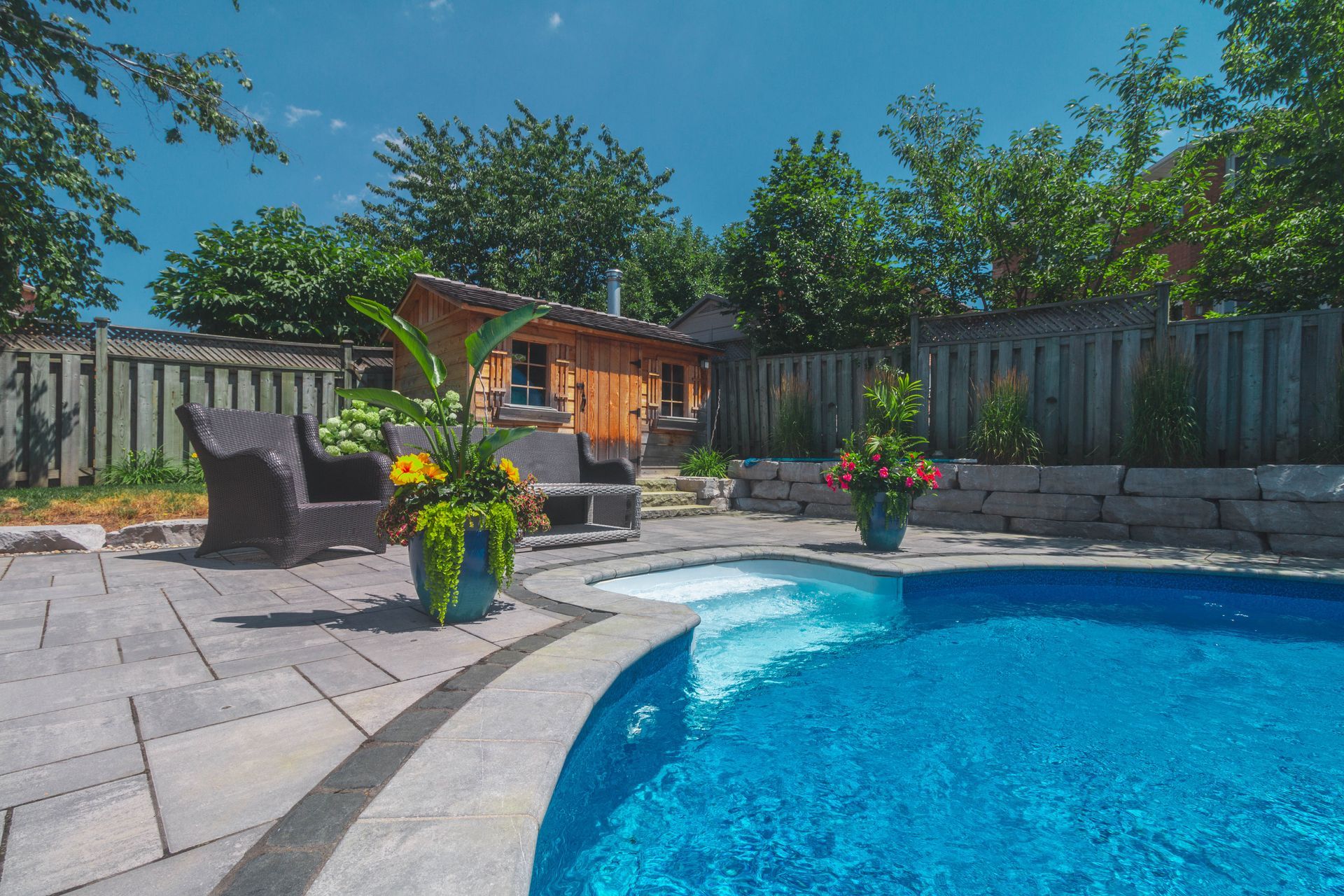
Patterns aren’t just aesthetic; they influence how weight transfers across the surface. If you’re upgrading an entry walkway or backyard patio ahead of Victoria Day entertaining, selecting the right layout helps your space look intentional and feel solid underfoot.
Popular paver patterns in Oakville, Burlington, and Mississauga include:
Running bond: clean, classic look that suits modern homes and narrow walkways
Herringbone: one of the strongest options for high-traffic zones and areas with movement
Basketweave: traditional style that complements older brick architecture
Random/ashlar: a premium look with varied sizes for patios and larger outdoor living areas
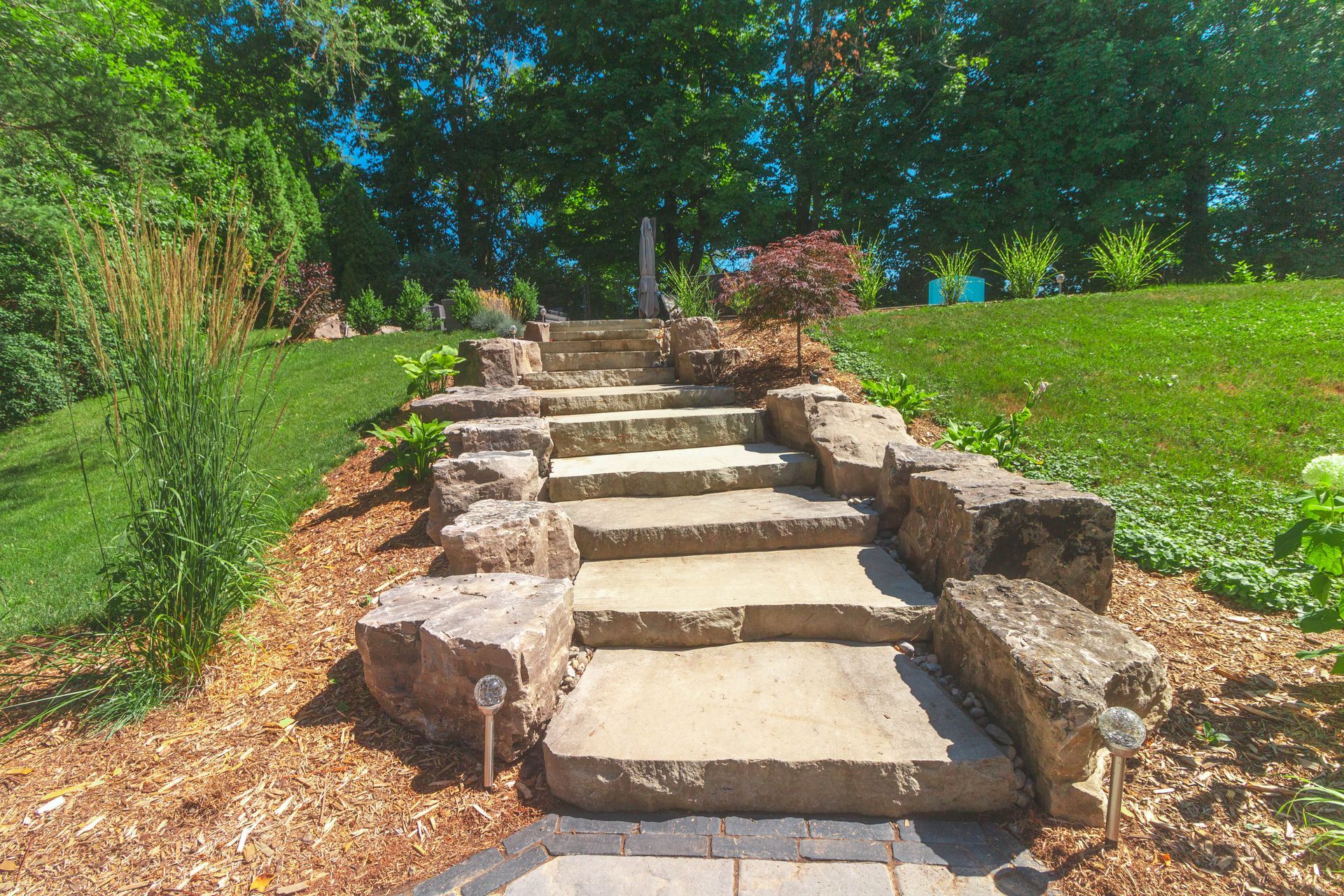
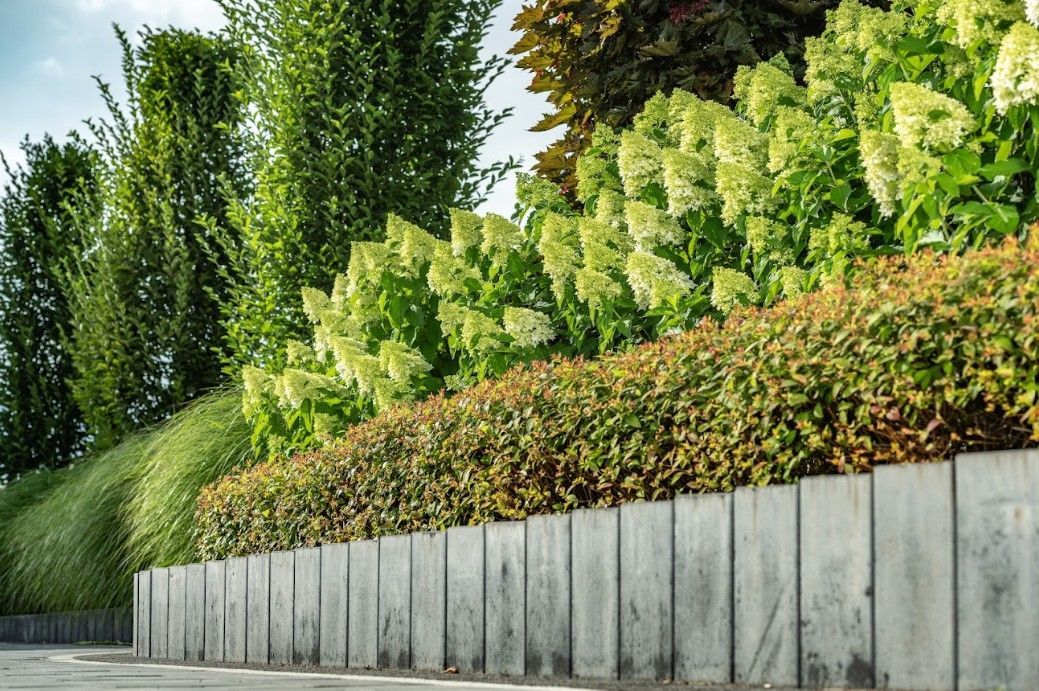
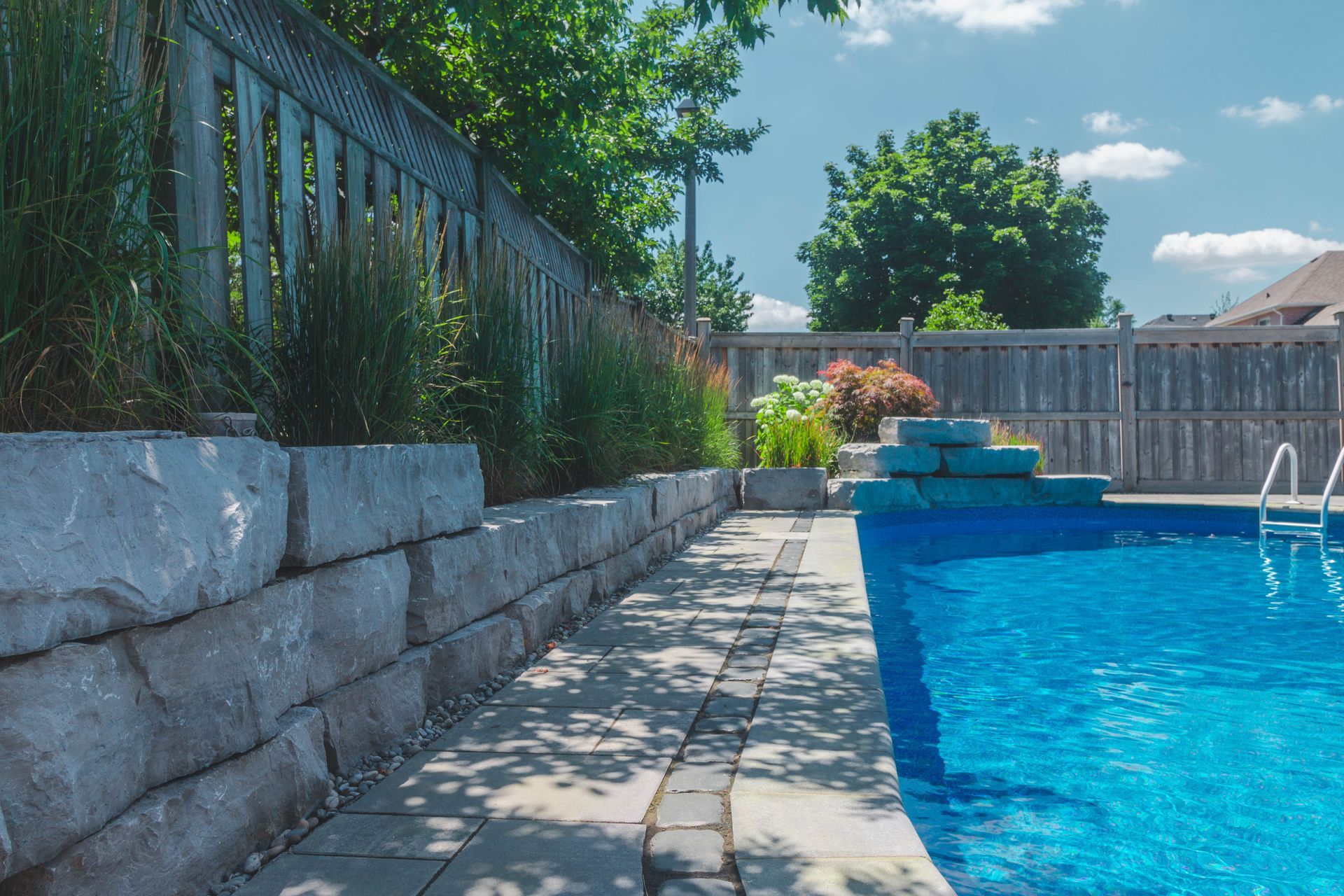
For homes with sloped yards or grade changes, we often pair paver installation with retaining walls or landscape walls to create level, usable space and reduce erosion control concerns.
Drainage And Edge Restraints: The Two Details Homeowners Miss
Two patios can look identical on day one and perform very differently by year three. Usually the deciding factors are drainage and edge restraint.
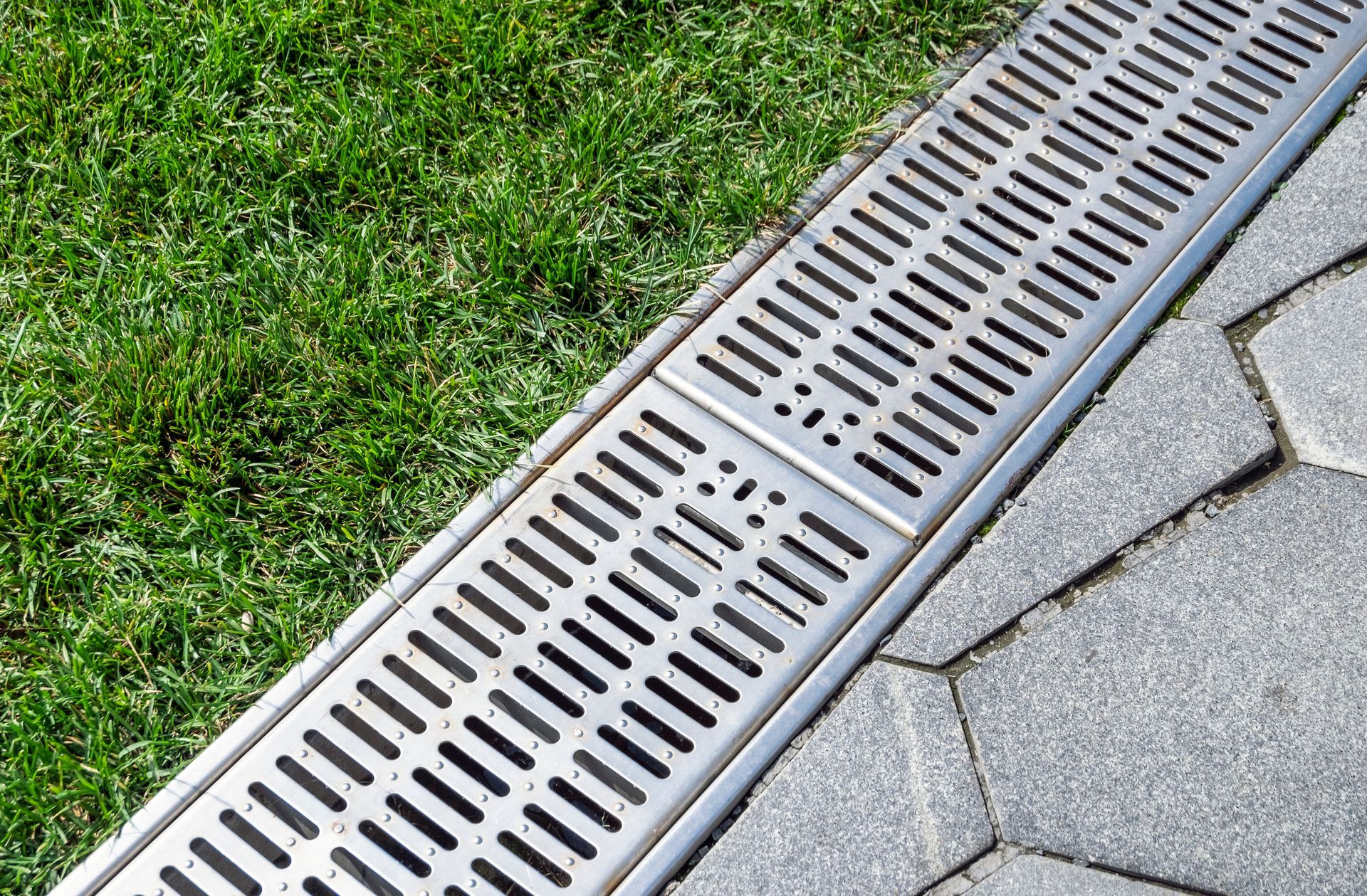
Drainage ensures water doesn’t pool, seep under the pavers, or drain toward your foundation. In spring, Mississauga and Brampton often see heavy rainfall, making proper grading and water management essential.
Edge restraint is what keeps the entire paver field from “creeping” outward over time. Without it, joints widen, borders shift, and the surface starts to look tired even if the pavers themselves are high quality.
Long-Term Care Tips For A Patio That Still Looks New In 5–10 Years
Once your patio installation is complete, a little maintenance goes a long way. Here are practical steps that protect your investment:
- Refill jointing material as needed to reduce weed growth and shifting
- Keep downspouts directed away from paver edges to prevent washout
- Avoid aggressive pressure washing that can remove joint material
- Address low spots early before they become drainage or trip hazards
If you’re considering a broader outdoor refresh, pairing pavers with landscape lighting can extend your outdoor season and improve safety around steps and pathways.
Build It Once, Enjoy It Every Season
A well-built paver patio or walkway should feel as good in February as it does in July. With thoughtful hardscape design, proper base prep, and a pattern suited to your space, your outdoor surface can handle spring rain, summer gatherings, and Ontario winters without constant repairs.
Ready to plan your next paver installation in Mississauga, Oakville, Burlington, Milton, or Brampton? Book a consultation with Breakaway Landscaping to review design options, get expert guidance on base preparation and drainage, and receive a quote for a durable, high-end result that fits your home and lifestyle.
Share This Blog